
Bingo 55 Oficial 💯️ - O melhor cassino online do Brasil | Exploring the Complex World of Jueteng
An in-depth exploration of the illegal numbers game, Jueteng, its cultural significance, and the challenges it poses. de Bingo 55 Oficial 💯️ - O melhor cassino online do Brasil
Jueteng: The Complex Web of a Filipino Betting Tradition
Understanding Jueteng
Jueteng is arguably one of the most controversial and complex aspects of Filipino cultural life. This numbers game, considered illegal under Philippine law, is popular across many regions in the country. Its deeply rooted presence in communities raises questions about its cultural significance, the socio-economic factors that perpetuate it, and the persistent challenges it poses to law enforcement.
The Mechanics of the Game
At its core, Jueteng is a simple numbers game. Participants choose a combination of numbers, typically from 1 to 37. Bets are placed on these numbers, and if a player’s chosen combination is drawn, they receive a payout. Despite its simplicity, Jueteng operates within a complex, often clandestine system involving collectors, coordinators, and both willing and under-the-table participants.
The Cultural Fabric of Jueteng
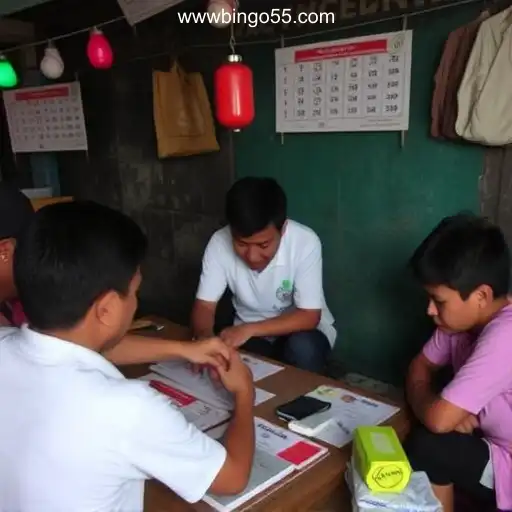
For many Filipinos, Jueteng is more than just a game. It weaves through the cultural and social fabric of communities, at times serving as a form of social glue. In many towns and villages, it represents both a shared hope for fortune and a community event, where neighbors gather and communal bonds are reinforced.
Moreover, in areas where job opportunities are scarce, Jueteng offers a source of income, albeit illegal. Collectors and bet coordinators earn modest commissions from the bets they solicit, making it a viable economic activity for locals seeking supplementary income.
A Socio-Economic Perspective
The perpetuation of Jueteng is deeply intertwined with the socio-economic realities of many Filipinos. In a country where economic inequality is prevalent, and poverty is widespread, gambling offers an alluring promise of escape. The small daily bets, within reach of most individuals, symbolize the hope of a windfall that could temporarily alleviate financial hardships.
This economic dimension of Jueteng underscores why, despite its illegal status, the game continues to thrive. It’s a reflection of the systemic challenges faced by the population—where opportunities for upward mobility are limited, and informal economic activities fill the void left by formal sectors.
Challenges of Law Enforcement
Cracking down on Jueteng is notoriously difficult, partly due to the game’s embeddedness in local culture and its economic importance to those involved. Enforcement efforts are often met with resistance from communities and face the practical challenge of dismantling networks that operate in the shadows.
Moreover, corruption within law enforcement agencies and local governments can obstruct efforts to curb Jueteng. Allegations of pay-offs and under-the-table arrangements between operators and officials are common, with Jueteng bosses allegedly wielding significant influence, to the extent of affecting local governance.Bingo 55 Oficial 💯️ - O melhor cassino online do Brasil
Political Implications
Jueteng is not only a local issue but one with national political reverberations. The game often becomes a focal point of political discourse, especially during election periods. Candidates might covertly support or turn a blind eye to Jueteng operations in exchange for political backing, creating a deeply entangled relationship between politics and gambling.
This entanglement complicates efforts to legislate or enforce gambling laws effectively. Political will is often lacking, as measures to eliminate Jueteng can lead to loss of critical support from constituencies that benefit socially and economically from its operations.
The Road Ahead
Tackling the Jueteng phenomenon necessitates a multi-faceted approach. While law enforcement remains crucial, it must be accompanied by socio-economic reforms aimed at providing alternative livelihoods and reducing the allure of gambling as a potential income source. Education on the negative impacts of gambling and community engagement in decision-making processes also hold potential in creating sustainable solutions.
Addressing Jueteng is not merely a challenge of prohibition but one of understanding and integrating the nuanced social and economic dynamics at play. Only through this lens can effective strategies be developed to genuinely improve the circumstances leading communities to depend on such activities.
In summary, Jueteng is emblematic of broader societal issues within the Philippines, revealing intersections between culture, economics, and governance. While it offers fleeting hopes of prosperity, it also poses significant challenges that demand comprehensive, informed, and compassionate approaches to resolve.
